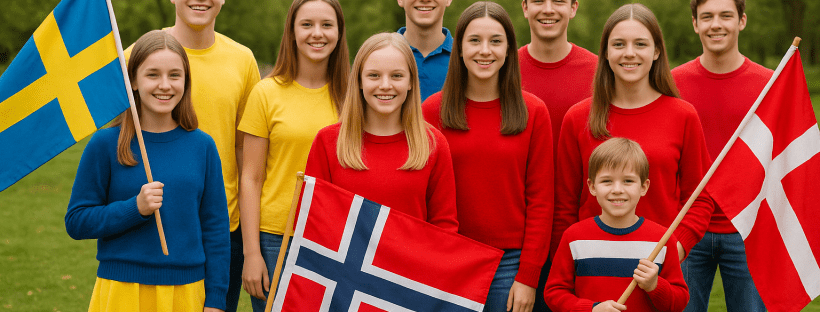
Europe is a linguistic powerhouse. In an area smaller than the continent of Australia, you can find over 200 unique languages, creating a vibrant tapestry of sounds, histories, and cultures. We all know about the romantic lilt of Italian or the precise grammar of German, but the world of European languages is filled with quirky, surprising, and fascinating secrets.
Kategorija: languages
Siblings or Cousins? The Surprising Relationship Between Scandinavian Languages
Danish, Norwegian, and Swedish are undoubtedly siblingsāsometimes squabbling, but deeply connected. Their relationship is a living history lesson, showing how politics, geography, and culture shape the way we speak. Choosing to learn one isn't just learning a single language; it's buying a ticket to a fascinating and interconnected linguistic world.
Career Hack: How Knowing a Nordic or Baltic Language Can Open Doors
While the job market is global, many of the most interesting roles in these countriesāespecially at mid-sized, locally-focused companies or within the public sectorāare advertised primarily in the native language. Your ability to navigate these listings immediately removes 90% of your international competition.
Coffee Culture Clash: how Riga, Warsaw, and Helsinki fuel their days
In Riga, a coffee break is a legitimate appointment with relaxation or deep conversation. ItāsĀ 'dziļa elpa'āa "deep breath" in the middle of a busy day, a moment of quiet elegance that reflects the city's historical charm and artistic soul.
“I Love You” from the Baltics to the Fjords: a journey through terms of endearment
They teach us that in Latvia, love is found in the buzzing life of a bee, in Sweden it is a fundamental state of being ("Ƥlskling"), in Poland you can be someone's entire sun ("sÅoneczko").
From dragons to mermaids: the mythical creatures of Polish legends
No creature is more iconic in Polish lore than theĀ Smok Wawelski, the Dragon of Wawel Hill. His story is the cornerstone of Krakówās origin myth. As the legend goes, a fearsome dragon took up residence in a cave at the foot of Wawel Castle, terrorizing the kingdom of King Krakus. It devoured livestock and demanded regular sacrifices of young maidens, leaving the city in a state of perpetual fear.
KÄpÄc tieÅ”i tagad ir lielisks laiks mÄcÄ«ties korejieÅ”u valodu?
KorejieÅ”u valodas apguve nav tikai praktisks instruments, bet arÄ« aizraujoÅ”s ceļojums unikÄlÄ kultÅ«ras pasaulÄ. TÄ kÄ pasaules interese par Koreju turpina augt, Ŕīs valodas zinÄÅ”anas kļūs arvien vÄrtÄ«gÄkas. VarbÅ«t tieÅ”i tagad ir pienÄcis laiks uzsÄkt Å”o aizraujoÅ”o valodas ceļojumu?
Cracking the code: which is the best language to learn for the lazy ones?
What if you could get all the benefits of being a polyglot without the back-breaking effort? What if youāre just, well, a bit lazy?
Is Latvian the next big thing? Unpacking the popularity of learning a Baltic gem
In the vast, interconnected world of language learning, where apps promise fluency in Spanish, French, or Mandarin with daily five-minute lessons, some languages naturally dominate the spotlight. They are the "usual suspects," learned for business, travel, or their global reach. So, where does that leave a language like Latvian? Spoken by just under 2 million people worldwide, the question arises: is learning Latvian actually popular? The answer is more nuanced than a simple yes or no.
The linguistics of humorāwhy jokes rarely translate well
Ever told a joke in another language and been met with silence? Humor is one of the hardest things to translate. Thatās because jokes often rely on wordplay, cultural references, or timing that simply donāt cross linguistic borders.
Why learning a language boosts more than communication skills
When people sign up for a language course, their goal is usually straightforward: to communicate in a new tongue. But research shows that the benefits of language learning stretch far beyond speaking with locals on holiday or advancing in a career.
How multilingualism shapes the way we think
Did you know that speaking multiple languages can actually change the way you perceive the world? Research in linguistics and psychology shows that language doesnāt just express thoughtāit influences it.
Why learn a Scandinavian language? 5 benefits beyond IKEA and Vikings
You know the iconic blue-and-yellow store. Youāve binge-watched the Viking dramas. But ScandinaviaāDenmark, Norway, and Swedenāoffers so much more than flat-pack furniture and ancient warriors. While these cultural touchstones are fun, they barely scratch the surface of what makes this region so compelling.
Beyond Duolingo: how to achieve real fluency in French
So, youāve got a impressive Duolingo streak. You can confidently tell any owl thatĀ le chat est sous la tableĀ (the cat is under the table). But when you try to watch a French film or speak to a native, you hit a wall. Sound familiar?
DigitÄlÄ valoda: emoji, GIFi un mÄmes komunikÄcijÄ
Vai esat kÄdreiz nosÅ«tÄ«jis smaidÄ«gu sejiÅu, lai pateiktos, vai nosÅ«tÄ«jis kÄdu lepnu kaÄ·a GIFu, lai parÄdÄ«tu, ka uzdevums ir izpildÄ«ts? Ja jÄ, tad jÅ«s esat aktÄ«vs jaunÄkÄs un visstraujÄk augoÅ”Äs globÄlÄs valodas lietotÄjs ā tÄ ir digitÄlÄ lingua franca, kas veidota no emoji, GIFiem un mÄmÄm. Å is nav tikai jautrs papildinÄjums mÅ«su sarunÄm; tas ir bÅ«tisks komunikÄcijas lÄ«dzeklis, kas pÄrvar valodu barjeras un rada kopÄ«gu kultÅ«ras kodu.
SÄksim no sÄkuma: 10 bÅ«tiskÄkÄs frÄzes dzÄ«vei VÄcijÄ
Vai plÄnojat braucienu uz VÄciju, bet jÅ«taties nedroÅ”i, runÄjot vÄcu valodÄ? Å Ä« valoda var Ŕķist sarežģīta un biedÄjoÅ”a, taÄu, lai veiksmÄ«gi sÄktu, nereti pietiek ar dažÄm galvenajÄm frÄzÄm. Å Ä«s frÄzes ir jÅ«su atslÄga uz sapraÅ”anos ne tikai ikdienas situÄcijÄs, bet arÄ« uz patÄ«kamÄkas pieredzes gūŔanu ā vai tas bÅ«tu veikalÄ, kafejnÄ«cÄ vai publiskajÄ transportlÄ«dzeklÄ«. Å eit ir 10 bÅ«tiskÄkÄs frÄzes, kas jums noteikti noderÄs!