language courses, Baltic Media, languages

The Power of Words in Political Rhetoric

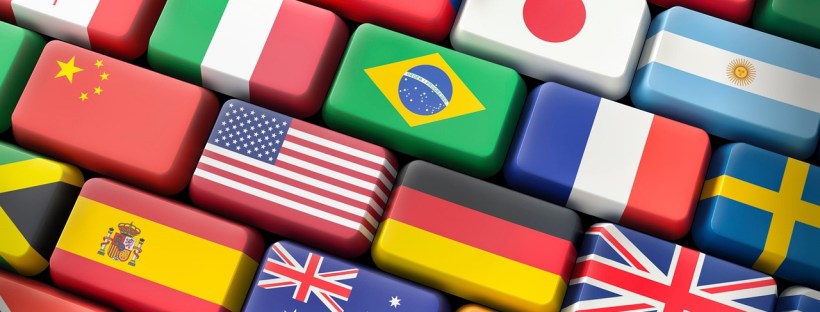
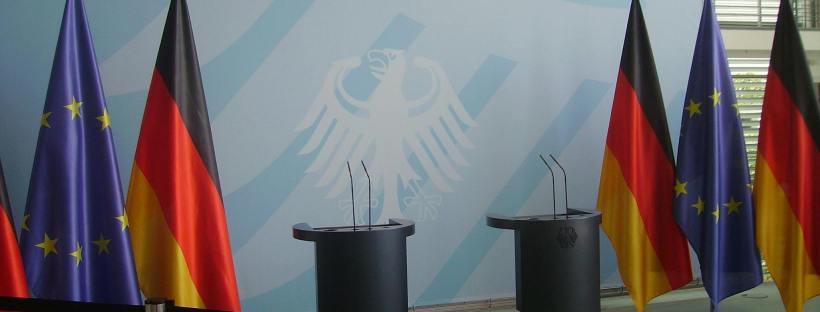
Words are more than just tools for communication; in politics, they shape perceptions, inspire action, and define ideologies. Political rhetoric has the ability to influence minds, sway elections, and even change the course of history. But why is the choice of words so powerful?

language courses, Baltic Media, languages

Language of Hierarchy: How Japanese Reflects Social Structure

Japanese doesn’t just speak—it bows. The structure of the language reflects the structure of society, making it essential to understand social cues to speak it correctly. Whether you're learning Japanese or exploring cultural linguistics, keigo reveals how language can encode respect, rank, and relationship.

Baltic Media, languages, language center

When Silence Speaks Louder: Nonverbal Language Across Cultures

Not all communication happens through words. In many cultures, silence and nonverbal cues can express agreement, disagreement, respect, or discomfort—sometimes more powerfully than speech. Understanding these differences is crucial for language learners who want to truly grasp cultural context.

Baltic Media, languages, language center

How Language Shapes Historical Memory?

Language is not just a tool for communication—it also plays a powerful role in shaping how societies remember and interpret history. The words we use, the narratives we repeat, and even the grammatical structures in our languages influence how we perceive past events.

Baltic Media, valodu kursi, valodas

Why the French Defend Their Language Against English Influence?

Language reflects how we think and live. For the French, resisting English isn't about isolation—it's about maintaining a unique voice in a multilingual world. While some find this protective stance outdated, others view it as a powerful reminder that languages need care and intention to survive.

Baltic Media, valodu kursi, valodu apguve

Multilingual Comedians: Playing with Languages for Laughs

Language is a powerful tool—not only for communication, but also for humor. Multilingual comedians are experts in using different languages, accents, and cultural references to entertain audiences around the world. Their comedy offers more than just laughter; it’s a lesson in how language shapes identity, communication, and culture.

language courses, Baltic Media

Learning a Language, Changing the Inner Voice

When you learn a new language, you're not just memorizing words—you’re slowly reshaping the way you think. One of the most fascinating parts of this process is the transformation of your inner voice.

online kursi valodu apguve valodu kursi

The Secret to Sounding More Natural in a Foreign Language

Learning a foreign language is more than memorizing vocabulary and grammar. The real key to sounding natural lies in how you use the language in real contexts—through tone, rhythm, expressions, and small cultural habits.

Baltic Media, language courses, language center

How Learning a New Language Affects Your Native Language

Learning a new language is often seen as a way to expand horizons, travel more confidently, or improve career prospects. But what many people don’t realize is that learning a second language can also influence the way we use and understand our native language. This relationship is more dynamic than you might expect.

Baltic Media, languages, language courses

The history of sign language

Sign language is a vital form of communication used by millions of people worldwide. Its history is long and diverse, reflecting the cultures and communities it serves. While many think of sign language as a modern invention, it has deep historical roots.

Fear of errors holds many learners back. Polyglots, however, speak early and often, accepting mistakes as part of the process.

Exploring the Indo-European Language Family

Next time you hear a word that sounds familiar in another language, you might just be hearing a whisper from the past.

Valodu kursi, Baltic Media, languages

How Learning a Language Can Change Your Perspective on Culture?

Language is more than just words—it’s a window into the soul of a culture. When you learn a new language, you don’t just gain vocabulary; you gain a deeper understanding of how people think, interact, and see the world.

Seminārā Londonas latvieÅ”iem skaidro, kā bērniem mācÄ«t latvieÅ”u valodu angliskā vidē

Kā veicināt latvieÅ”u valodas apguvi, ja apkārt un bieži vien pat mājās visi runā angliski? Ko darÄ«t, ja bērns nelabprāt runā latviski? Par to nupat tika spriests Londonas latvieÅ”u skolā, vienai no māmiņām – Londonas Universitātes koledžas asociētajai profesorei izglÄ«tÄ«bas socioloÄ£ijā Olgai Carai – vadot semināru par to, kas bērniem palÄ«dz apgÅ«t latvieÅ”u valodu, un … Turpināt lasÄ«t Seminārā Londonas latvieÅ”iem skaidro, kā bērniem mācÄ«t latvieÅ”u valodu angliskā vidē

Dažādu valodu Ä«paŔās iezÄ«mes

Valodas ir aizraujoÅ”as un daudzveidÄ«gas, un katrai no tām ir savas unikālas iezÄ«mes un Ä«paŔības. Pasaules valodās, sākot no tonālajām valodām Dienvidaustrumāzijā un beidzot ar daudzu Eiropas valodu gramatiskajiem dzimumiem, ir daudz interesantu un negaidÄ«tu iezÄ«mju. Å ajā rakstā mēs aplÅ«kosim dažas no dažādu valodu aizraujoŔākajām iezÄ«mēm un to, kāpēc tās ir tik unikālas. Tonālās valodas: … Turpināt lasÄ«t Dažādu valodu Ä«paŔās iezÄ«mes

Kā pārvarēt valodas apguves izaicinājumus: Padomi un stratēģijas

  Jaunas valodas apguve var sniegt gandarÄ«juma pilnu pieredzi, taču tā nav bez grÅ«tÄ«bām. NeatkarÄ«gi no tā, vai jums ir grÅ«tÄ«bas ar gramatikas noteikumiem, vārdu krājuma bagātināŔanu vai pārliecÄ«bu runāt, valodas apguve var bÅ«t izaicinoÅ”s process. Tomēr, izmantojot pareizo domāŔanas veidu un stratēģijas, jÅ«s varat pārvarēt Å”os izaicinājumus un sasniegt savus valodas apguves mērÄ·us. Å ajā … Turpināt lasÄ«t Kā pārvarēt valodas apguves izaicinājumus: Padomi un stratēģijas

Speciālista ieteikumi, kā iemācÄ«t un uzturēt latvieÅ”u valodu Ärzemēs

Jauktās Ä£imenēs vai dzÄ«vojot sveÅ”umā, Ä£imenēs dažkārt izvēlas runāt vienā valodā, domājot, ka divvalodÄ«ba ir liels slogs mazam bērnam, kas var tikai kaitēt, jo vienlaicÄ«gi runājot divās valodās, kārtÄ«gi neiemācÄ«sies nevienu. Zinātnieki apgalvo pretējo - divvalodÄ«bai ir pozitÄ«va un attÄ«stoÅ”a ietekme, bērni ir spējÄ«gi labi apgÅ«t vienlaikus vairākas valodas. KopÅ” 2009.gadaĀ vairāk nekā 200 000 cilvēkuĀ ir … Turpināt lasÄ«t Speciālista ieteikumi, kā iemācÄ«t un uzturēt latvieÅ”u valodu Ärzemēs