Italian’s natural elegance, vocal ease, and historical roots have made it the timeless voice of opera. Even today, its influence continues to shape how music is sung, taught, and understood around the world.


Italian’s natural elegance, vocal ease, and historical roots have made it the timeless voice of opera. Even today, its influence continues to shape how music is sung, taught, and understood around the world.

Learning a new language is an exciting journey, but retaining that knowledge over time can be a real challenge. Many language learners find that after an initial period of progress, their skills begin to fade if not consistently used. This phenomenon is not unique to languages—it’s a natural part of how memory works. Regular repetition is key to keeping language knowledge fresh, functional, and ready for real-world use.

Iceland is known not only for its stunning landscapes but also for its deep-rooted linguistic purism. While many countries adopt foreign words with ease—particularly English terms in the digital age—Iceland stands apart in its effort to preserve its language’s purity. But why do Icelanders resist new words, and how does this compare with other languages?

When people talk about learning a new language, you’ll often hear things like “Chinese is impossible!” or “You need to grow up with Russian to ever get it right.” But what really makes a language difficult to learn? Let’s break down the myths and look at the reality—with examples from various languages offered in many European language courses.

Time is something we all experience—but how we talk about it can vary drastically across languages. These differences shape not only how we speak, but also how we think, plan, and relate to the world. Here’s a quick look at how various languages express time—and why it’s more than just grammar.

The link between language and thought has fascinated philosophers, psychologists, and linguists for centuries. Does language shape the way we think, or is thought possible without words? This question opens the door to understanding the deeper relationship between our minds and the languages we speak.
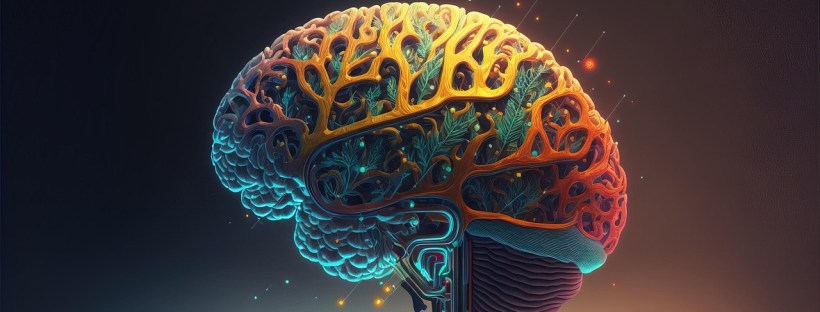
In today’s globalized world, being bilingual is often seen as a valuable skill. But beyond communication advantages, can speaking multiple languages actually make you smarter?
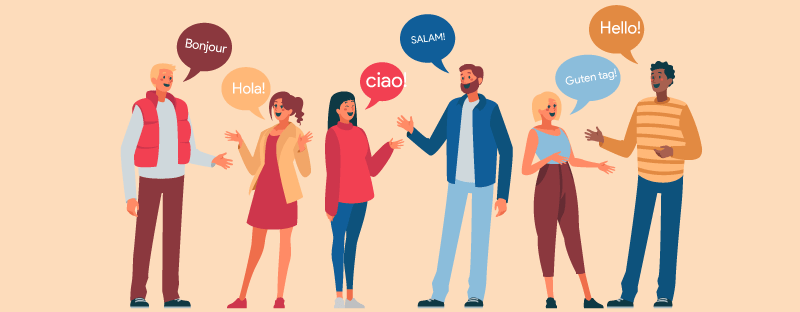
Have you ever felt awkward at the beginning of a conversation in English? Maybe you didn’t know what to say, or you were afraid of making a mistake. If so, you’re not alone — and that’s where the magic of small talk comes in.

When planning a trip, it’s common to memorize a few key expressions—“Hello,” “Thank you,” “Where’s the bathroom?” While useful, these basics barely scratch the surface of what language can offer during travel.

In a world that increasingly values innovation and adaptability, creativity has become one of the most important skills to cultivate. Interestingly, one of the less obvious ways to boost creativity is through multilingualism. While learning multiple languages is often associated with better communication and job prospects, research and real-world experience suggest it also plays a significant role in shaping a more creative mind.

Writing systems are more than just tools for communication—they’re windows into culture, history, and human creativity. Across the globe, people have developed remarkably diverse scripts to record their languages.

Slang is a linguistic reflection of culture, technology, and society. It evolves alongside social trends, offering insight into global communication and identity. From youth culture to digital interactions, slang adapts to changing environments while uniting people through shared expressions.

Language and food are deeply intertwined, reflecting the culture, history, and traditions of a region. Exploring a new language through its cuisine can be a delightful way to enhance learning while indulging in delicious flavors.

Languages are not static; they evolve by borrowing words from one another, a process that reveals much about cultural exchange and historical connections. Loan words—terms adopted from one language into another—highlight the dynamic interplay between societies.

Ever wonder why a song in French feels different than one in Japanese? It's not just the instruments; it's the language! Let's explore how language acts like a code, shaping how we create and experience art and music.

Education is more than just transferring knowledge—it’s about shaping minds, fostering curiosity, and guiding students toward success. Scientific research underscores the profound impact teachers have on student learning, highlighting key factors that make educators indispensable.
 Valodu kursi 🌍 Tulkošanas pakalpojumi