Latvia and Norway, both rich in traditions, offer unique festivals that provide perfect opportunities to immerse yourself in the language while experiencing local customs.


Latvia and Norway, both rich in traditions, offer unique festivals that provide perfect opportunities to immerse yourself in the language while experiencing local customs.
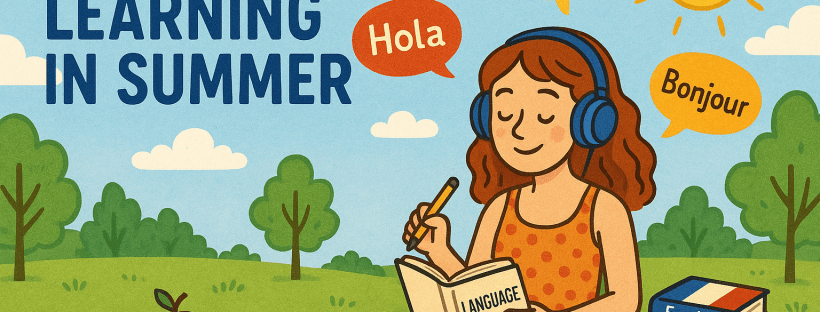
Vasarā laikapstākļi ir labvēlīgi, lai mācītos ārā – parkā, pie jūras vai dārzā. Mainot vidi, arī mācību process kļūst patīkamāks un efektīvāks. Turklāt, ja mācāties ar draugiem vai grupā, šādas neformālas tikšanās padara valodas apguvi daudz jautrāku un motivējošāku.

Love and friendship often rely on shared experiences, mutual understanding — and yes, words. But what happens when language itself becomes the obstacle?

Valodas mācīšanās sākumā viss šķiet aizraujoši — jauni vārdi, pirmās frāzes, sajūta, ka atveras jauna pasaule. Taču pēc kāda laika motivācija var sākt noplakt: rodas nogurums, šķiet, ka progress apstājas, un grūti atrast laiku. Šādos brīžos ir svarīgi atcerēties, ka šaubas ir jebkura mācību procesa sastāvdaļa. Tālāk piedāvājam dažus efektīvus veidus, kā uzturēt motivāciju dzīvu.

Learning a foreign language is more than memorizing vocabulary and grammar. The real key to sounding natural lies in how you use the language in real contexts—through tone, rhythm, expressions, and small cultural habits.

In many markets, bilingual or multilingual salespeople simply have access to more opportunities. Whether it’s expanding into new territories, working with international clients, or supporting a global team, language skills can open doors and fast-track career progression.

In a globalized world, major languages like English, Spanish, and Mandarin dominate communication. But there’s growing value—professionally and personally—in learning lesser-known or “niche” languages. Whether you're studying Latvian, Icelandic, or Finnish, here’s why these languages are worth your time.

When people talk about learning a new language, you’ll often hear things like “Chinese is impossible!” or “You need to grow up with Russian to ever get it right.” But what really makes a language difficult to learn? Let’s break down the myths and look at the reality—with examples from various languages offered in many European language courses.

Time is something we all experience—but how we talk about it can vary drastically across languages. These differences shape not only how we speak, but also how we think, plan, and relate to the world. Here’s a quick look at how various languages express time—and why it’s more than just grammar.

The link between language and thought has fascinated philosophers, psychologists, and linguists for centuries. Does language shape the way we think, or is thought possible without words? This question opens the door to understanding the deeper relationship between our minds and the languages we speak.

Learning a new language is often seen as a way to expand horizons, travel more confidently, or improve career prospects. But what many people don’t realize is that learning a second language can also influence the way we use and understand our native language. This relationship is more dynamic than you might expect.

Vēlies uzsākt vācu valodas apguvi? Sazinies ar mums – mēs palīdzēsim Tev atrast piemērotāko kursu! 📞 Tālrunis: +371 29 446 845 📧 E-pasts: kursi@balticmedia.com Baltic Media – valodu mācības profesionāli, draudzīgi un pielāgotas tieši Tev. Mācīties valodas nekad nav par vēlu – sāc jau šodien!

Language and food are deeply intertwined, reflecting the culture, history, and traditions of a region. Exploring a new language through its cuisine can be a delightful way to enhance learning while indulging in delicious flavors.

Katru gadu 20. martā tiek atzīmēta Franču valodas diena, kas ir lieliska iespēja izcelt šīs valodas bagātību un nozīmī. Franču valoda nav tikai saziņas līdzeklis – tā ir kultūras, diplomātijas un mākslas valoda, kas savieno miljoniem cilvēku visos kontinentos. Tā ir viena no pasaules ietekmīgākajām valodām, kas paver daudzas iespējas gan personiskajai, gan profesionālajai izaugsmei.

Valodas apguve var būt aizraujošs un noderīgs process, taču daudziem ceļā uz brīvu runāšanu rodas valodas barjera. Bieži vien tas saistīts ar nedrošību, bailēm pieļaut kļūdas vai nepietiekamu praksi. Kā šo barjeru pārvarēt un sākt runāt svešvalodā brīvāk? Šajā rakstā dalīsimies ar efektīvām metodēm, kas palīdzēs jums justies pārliecinātāk sarunās.

Arābu valoda - bagātīgā vēsture, unikālās iezīmes un interesantie fakti
 Valodu kursi 🌍 Tulkošanas pakalpojumi