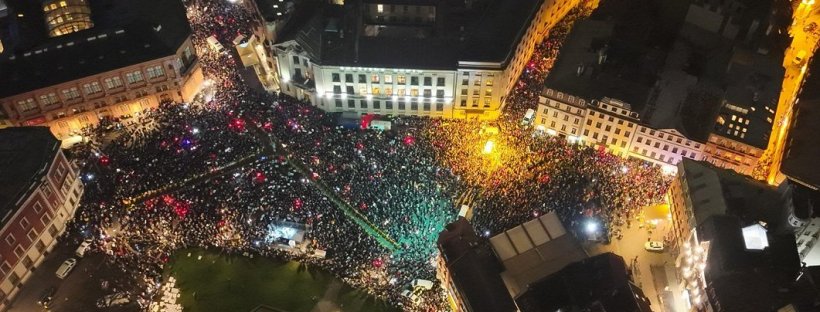
Ko latviešu valodā nozīmē 2025. gada masu protestos izmantotais izteiciens "Kis - kis kauns"? Šī frāze bija viens no manifesta / plakātu / saukļu variantu piemēriem, kas tika oficiāli pieteikti protestam. Konkretizēts sauklis: “Kis, kis, kauns, likumprojekts ļauns”. Ar to protestētāji uzsvēra savu nosodījumu — savā veidā “piekaunināja” tos, kas atbalstīja izstāšanos: teiciens darbojas kā kritisks, ironisks uzsaukums pret politisko lēmumu un tās pieņēmējiem.
Kategorija: Latvian culture
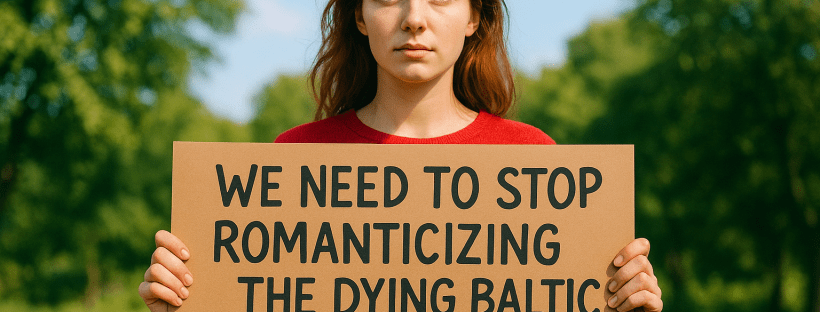
We need to stop romanticizing the “dying” Baltic languages
We’ve all heard the story. It’s a powerful, poignant narrative: the ancient Baltic languages, noble survivors of history, now teetering on the brink of extinction, threatened by globalization and English. It’s a story told with the best intentions, meant to spark concern and action. But what if this well-meaning narrative is actually holding us back?
Why Latvia Glows: The Meaning Behind November 18th
For Latvians, this day is deeply personal. It’s not just about a historical event from over a century ago. It is a celebration of the country's resilience. Latvia's independence was violently interrupted by Soviet and Nazi occupations from 1940 to 1991. The celebration of November 18th was forbidden during the Soviet era, making its reinstatement after 1991 all the more powerful.
The Hidden Melody: What Makes the Latvian Language So Beautiful
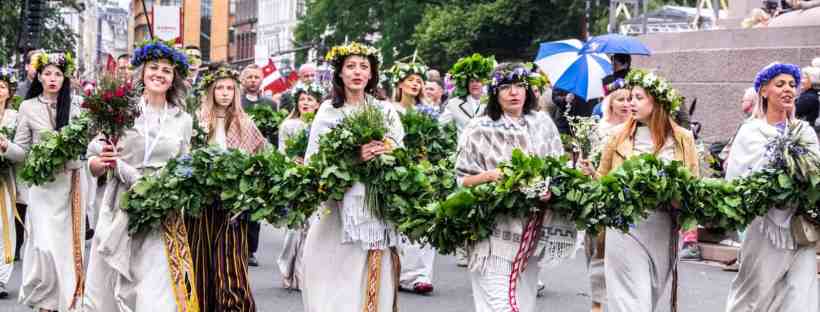
Perhaps the most beautiful aspect of Latvian is its deep, poetic relationship with the natural world. Latvia is a country of vast forests, tranquil lakes, and a long coastline, and this is reflected directly in its vocabulary.
Remembering the Bearslayer: The Significance of Lāčplēsis Day in Latvia
Known in Latvian as Lāčplēša diena, this day, observed every year on November 11th, is far more than a historical date. It is a profound national celebration that intertwines ancient legend, modern military history, and a deep-seated love for freedom.