Valodas mÄcīŔanÄs sÄkumÄ viss Ŕķiet aizraujoÅ”i ā jauni vÄrdi, pirmÄs frÄzes, sajÅ«ta, ka atveras jauna pasaule. TaÄu pÄc kÄda laika motivÄcija var sÄkt noplakt: rodas nogurums, Ŕķiet, ka progress apstÄjas, un grÅ«ti atrast laiku. Å Ädos brīžos ir svarÄ«gi atcerÄties, ka Å”aubas ir jebkura mÄcÄ«bu procesa sastÄvdaļa. TÄlÄk piedÄvÄjam dažus efektÄ«vus veidus, kÄ uzturÄt motivÄciju dzÄ«vu.
Kategorija: languages
Boost language skills: why repetition matters
Learning a new language is an exciting journey, but retaining that knowledge over time can be a real challenge. Many language learners find that after an initial period of progress, their skills begin to fade if not consistently used. This phenomenon is not unique to languagesāitās a natural part of how memory works. Regular repetition is key to keeping language knowledge fresh, functional, and ready for real-world use.
How language skills can boost your career in sales?
In many markets, bilingual or multilingual salespeople simply have access to more opportunities. Whether itās expanding into new territories, working with international clients, or supporting a global team, language skills can open doors and fast-track career progression.
KÄpÄc mÄcÄ«ties sveÅ”valodu nekad nav par vÄlu?
Daudzi cilvÄki uzskata, ka sveÅ”valodu apguve ir tikai jaunu cilvÄku privilÄÄ£ija. Bet vai tieÅ”Äm? RealitÄte pierÄda pretÄjo ā valodas var apgÅ«t jebkurÄ vecumÄ, un tam ir daudz priekÅ”rocÄ«bu. Valodas apguve liek prÄtam nepagurt un ienes ikdienas dzÄ«vÄ jaunas vÄsmas.
Why Icelanders Resist New Words in Their Language?
Iceland is known not only for its stunning landscapes but also for its deep-rooted linguistic purism. While many countries adopt foreign words with easeāparticularly English terms in the digital ageāIceland stands apart in its effort to preserve its languageās purity. But why do Icelanders resist new words, and how does this compare with other languages?
Bilingual Brains: Do Translators Think Differently?
Bilingual brainsāand particularly those of translatorsādo think differently. They constantly shift between structures, meanings, and cultural norms. It's not just about speaking two languagesāit's about living in two (or more) worlds at once.
“Lost in Translation”: Why Some Words and Phrases Have No Direct Equivalent
Understanding these linguistic gaps helps learners appreciate how language shapes thought. Translating isnāt just about wordsāitās about context, culture, and human experience.
The Benefits of Learning Niche Languages
In a globalized world, major languages like English, Spanish, and Mandarin dominate communication. But thereās growing valueāprofessionally and personallyāin learning lesser-known or ānicheā languages. Whether you're studying Latvian, Icelandic, or Finnish, hereās why these languages are worth your time.
What Makes a Language Difficult to Learn? Myths vs. Reality
When people talk about learning a new language, youāll often hear things like āChinese is impossible!ā or āYou need to grow up with Russian to ever get it right.ā But what really makes a language difficult to learn? Letās break down the myths and look at the realityāwith examples from various languages offered in many European language courses.
How Different Languages Express Time and Why It Matters
Time is something we all experienceābut how we talk about it can vary drastically across languages. These differences shape not only how we speak, but also how we think, plan, and relate to the world. Hereās a quick look at how various languages express timeāand why itās more than just grammar.
Can You Think Without Words?
The link between language and thought has fascinated philosophers, psychologists, and linguists for centuries. Does language shape the way we think, or is thought possible without words? This question opens the door to understanding the deeper relationship between our minds and the languages we speak.
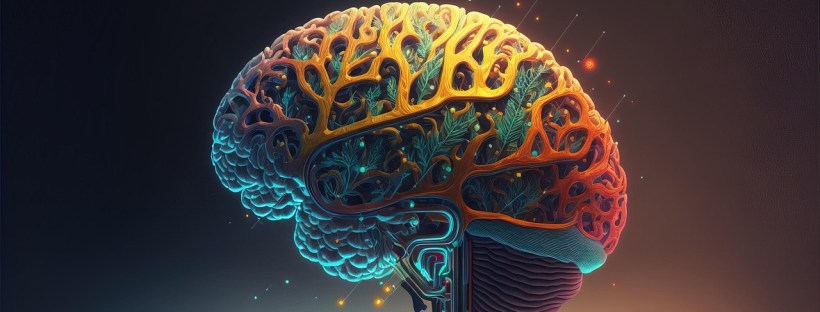
Bilingualism and the Brain: Does Speaking Multiple Languages Make You Smarter?
In todayās globalized world, being bilingual is often seen as a valuable skill. But beyond communication advantages, can speaking multiple languages actually make you smarter?
Common English Mistakes and How to Avoid Them
Everyone makes mistakes when learning a new language ā and English learners are no exception. The good news? Most mistakes are very common and easy to fix once you know what to look for. In this article, weāll explore some of the most frequent English errors and show you simple ways to avoid them.
The Secret Power of Small Talk in English
Have you ever felt awkward at the beginning of a conversation in English? Maybe you didnāt know what to say, or you were afraid of making a mistake. If so, youāre not alone ā and thatās where the magic of small talk comes in.
Language and Travel: Beyond the Tourist Phrases
When planning a trip, itās common to memorize a few key expressionsāāHello,ā āThank you,ā āWhereās the bathroom?ā While useful, these basics barely scratch the surface of what language can offer during travel.
How Learning a New Language Affects Your Native Language
Learning a new language is often seen as a way to expand horizons, travel more confidently, or improve career prospects. But what many people donāt realize is that learning a second language can also influence the way we use and understand our native language. This relationship is more dynamic than you might expect.