Angļu valodas kursi, kursi online, angļu valodas apguve

Uzlabo angļu valodu pirms studijām ārzemēs

Studijas ārzemēs ir lieliska iespēja iegūt starptautisku izglītību un pieredzi, taču, lai mācības būtu veiksmīgas, ir svarīgi pārliecināties, ka tavs angļu valodas līmenis ir pietiekami augsts. Līdz ar to angļu valodas kursi pirms studiju sākšanas var būt izšķiroši.

This 30-day language challenge is designed for absolute beginners who want to build confidence quickly. Each day focuses on a small, achievable task that gradually builds your skills. Ready to dive in? Let’s go!

30-Day Challenge for Language Beginners

This 30-day language challenge is designed for absolute beginners who want to build confidence quickly. Each day focuses on a small, achievable task that gradually builds your skills. Ready to dive in? Let’s go!

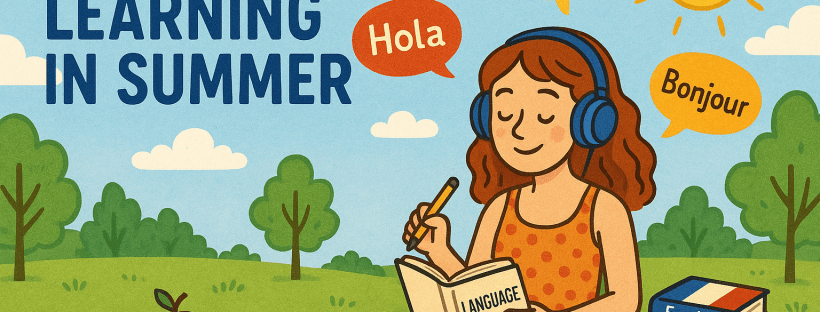
Vasarā laikapstākļi ir labvēlīgi, lai mācītos ārā – parkā, pie jūras vai dārzā.

Vasara – lielisks laiks, lai apgūtu jaunu valodu

Vasarā laikapstākļi ir labvēlīgi, lai mācītos ārā – parkā, pie jūras vai dārzā. Mainot vidi, arī mācību process kļūst patīkamāks un efektīvāks. Turklāt, ja mācāties ar draugiem vai grupā, šādas neformālas tikšanās padara valodas apguvi daudz jautrāku un motivējošāku.

What happens when language itself becomes the obstacle?

When words fail: navigating love and friendship across languages

Love and friendship often rely on shared experiences, mutual understanding — and yes, words. But what happens when language itself becomes the obstacle?

Kā nepazaudēt motivāciju valodas apguves laikā

Kā nepazaudēt motivāciju valodas apguves laikā

Valodas mācīšanās sākumā viss šķiet aizraujoši — jauni vārdi, pirmās frāzes, sajūta, ka atveras jauna pasaule. Taču pēc kāda laika motivācija var sākt noplakt: rodas nogurums, šķiet, ka progress apstājas, un grūti atrast laiku. Šādos brīžos ir svarīgi atcerēties, ka šaubas ir jebkura mācību procesa sastāvdaļa. Tālāk piedāvājam dažus efektīvus veidus, kā uzturēt motivāciju dzīvu.

online courses Latvian language course Latvian language

Boost language skills: why repetition matters

Learning a new language is an exciting journey, but retaining that knowledge over time can be a real challenge. Many language learners find that after an initial period of progress, their skills begin to fade if not consistently used. This phenomenon is not unique to languages—it’s a natural part of how memory works. Regular repetition is key to keeping language knowledge fresh, functional, and ready for real-world use.

Baltic Media, valodu kursi, valodas

How language skills can boost your career in sales?

In many markets, bilingual or multilingual salespeople simply have access to more opportunities. Whether it’s expanding into new territories, working with international clients, or supporting a global team, language skills can open doors and fast-track career progression.

Baltic Media, valodu kursi, valodu apguve

Kāpēc mācīties svešvalodu nekad nav par vēlu?

Daudzi cilvēki uzskata, ka svešvalodu apguve ir tikai jaunu cilvēku privilēģija. Bet vai tiešām? Realitāte pierāda pretējo – valodas var apgūt jebkurā vecumā, un tam ir daudz priekšrocību. Valodas apguve liek prātam nepagurt un ienes ikdienas dzīvē jaunas vēsmas.

Baltic Media, language courses, language centre

Why Icelanders Resist New Words in Their Language?

Iceland is known not only for its stunning landscapes but also for its deep-rooted linguistic purism. While many countries adopt foreign words with ease—particularly English terms in the digital age—Iceland stands apart in its effort to preserve its language’s purity. But why do Icelanders resist new words, and how does this compare with other languages?

Baltic Media, languages, translation

Bilingual Brains: Do Translators Think Differently?

Bilingual brains—and particularly those of translators—do think differently. They constantly shift between structures, meanings, and cultural norms. It's not just about speaking two languages—it's about living in two (or more) worlds at once.

language courses online latvian language course course for beginners

“Lost in Translation”: Why Some Words and Phrases Have No Direct Equivalent

Understanding these linguistic gaps helps learners appreciate how language shapes thought. Translating isn’t just about words—it’s about context, culture, and human experience.

Baltic Media, languages, language courses

The Benefits of Learning Niche Languages

In a globalized world, major languages like English, Spanish, and Mandarin dominate communication. But there’s growing value—professionally and personally—in learning lesser-known or “niche” languages. Whether you're studying Latvian, Icelandic, or Finnish, here’s why these languages are worth your time.

Baltic Media, languages, language courses

What Makes a Language Difficult to Learn? Myths vs. Reality

When people talk about learning a new language, you’ll often hear things like “Chinese is impossible!” or “You need to grow up with Russian to ever get it right.” But what really makes a language difficult to learn? Let’s break down the myths and look at the reality—with examples from various languages offered in many European language courses.

Baltic Media, languages, language courses

How Different Languages Express Time and Why It Matters

Time is something we all experience—but how we talk about it can vary drastically across languages. These differences shape not only how we speak, but also how we think, plan, and relate to the world. Here’s a quick look at how various languages express time—and why it’s more than just grammar.

Baltic Media, languages, language courses

Can You Think Without Words?

The link between language and thought has fascinated philosophers, psychologists, and linguists for centuries. Does language shape the way we think, or is thought possible without words? This question opens the door to understanding the deeper relationship between our minds and the languages we speak.

Baltic Media, language center, language learning

Bilingualism and the Brain: Does Speaking Multiple Languages Make You Smarter?

In today’s globalized world, being bilingual is often seen as a valuable skill. But beyond communication advantages, can speaking multiple languages actually make you smarter?