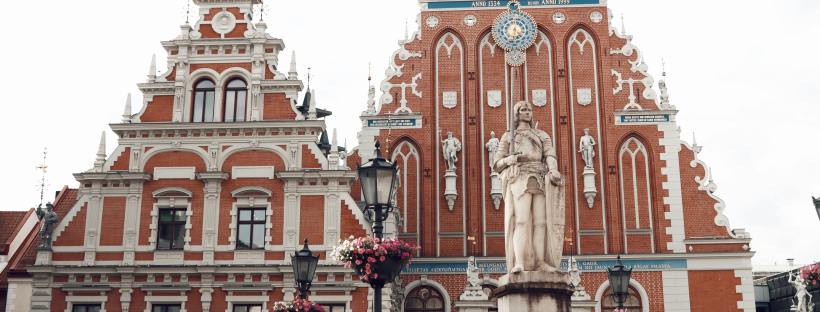
In the vast, interconnected world of language learning, where apps promise fluency in Spanish, French, or Mandarin with daily five-minute lessons, some languages naturally dominate the spotlight. They are the "usual suspects," learned for business, travel, or their global reach. So, where does that leave a language like Latvian? Spoken by just under 2 million people worldwide, the question arises: is learning Latvian actually popular? The answer is more nuanced than a simple yes or no.
Kategorija: Language Training in Riga
The linguistics of humor—why jokes rarely translate well
Ever told a joke in another language and been met with silence? Humor is one of the hardest things to translate. That’s because jokes often rely on wordplay, cultural references, or timing that simply don’t cross linguistic borders.
Why learning a language boosts more than communication skills
When people sign up for a language course, their goal is usually straightforward: to communicate in a new tongue. But research shows that the benefits of language learning stretch far beyond speaking with locals on holiday or advancing in a career.
How multilingualism shapes the way we think
Did you know that speaking multiple languages can actually change the way you perceive the world? Research in linguistics and psychology shows that language doesn’t just express thought—it influences it.
Why learn a Scandinavian language? 5 benefits beyond IKEA and Vikings
You know the iconic blue-and-yellow store. You’ve binge-watched the Viking dramas. But Scandinavia—Denmark, Norway, and Sweden—offers so much more than flat-pack furniture and ancient warriors. While these cultural touchstones are fun, they barely scratch the surface of what makes this region so compelling.
Beyond Duolingo: how to achieve real fluency in French
So, you’ve got a impressive Duolingo streak. You can confidently tell any owl that le chat est sous la table (the cat is under the table). But when you try to watch a French film or speak to a native, you hit a wall. Sound familiar?
Digitālā valoda: emoji, GIFi un mēmes komunikācijā
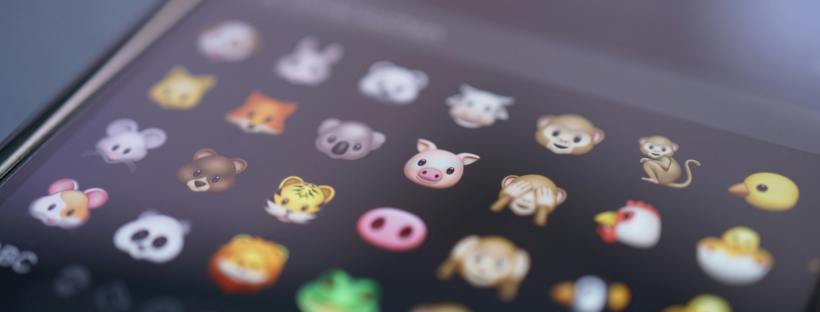
Vai esat kādreiz nosūtījis smaidīgu sejiņu, lai pateiktos, vai nosūtījis kādu lepnu kaķa GIFu, lai parādītu, ka uzdevums ir izpildīts? Ja jā, tad jūs esat aktīvs jaunākās un visstraujāk augošās globālās valodas lietotājs – tā ir digitālā lingua franca, kas veidota no emoji, GIFiem un mēmēm. Šis nav tikai jautrs papildinājums mūsu sarunām; tas ir būtisks komunikācijas līdzeklis, kas pārvar valodu barjeras un rada kopīgu kultūras kodu.
Sāksim no sākuma: 10 būtiskākās frāzes dzīvei Vācijā
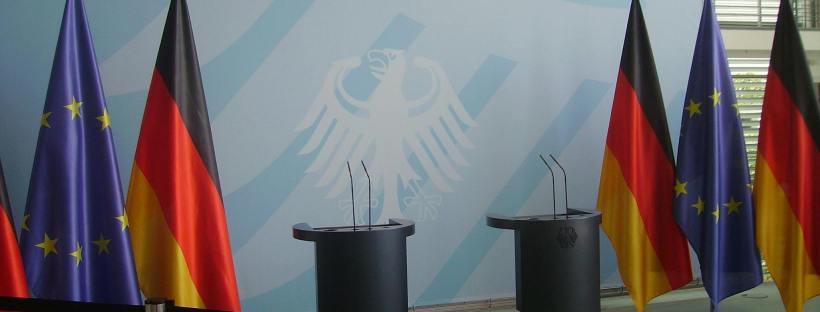
Vai plānojat braucienu uz Vāciju, bet jūtaties nedroši, runājot vācu valodā? Šī valoda var šķist sarežģīta un biedējoša, taču, lai veiksmīgi sāktu, nereti pietiek ar dažām galvenajām frāzēm. Šīs frāzes ir jūsu atslēga uz saprašanos ne tikai ikdienas situācijās, bet arī uz patīkamākas pieredzes gūšanu – vai tas būtu veikalā, kafejnīcā vai publiskajā transportlīdzeklī. Šeit ir 10 būtiskākās frāzes, kas jums noteikti noderēs!
Preserving indigenous languages: why it matters
Language is more than just a tool for communication—it carries the history, wisdom, and identity of entire cultures. Yet, of the world’s estimated 7,000 languages, nearly 3,000 are Indigenous, and many are disappearing at an alarming rate. When an Indigenous language vanishes, a unique way of understanding the world is lost forever.
Food, language, and culture: how culinary terms tell stories
Food is more than just sustenance—it’s a language of its own. Every dish, ingredient, and cooking technique carries a piece of history, tradition, and cultural identity. Often, the words we use to describe food reveal deeper stories about a people’s way of life, values, and even humor.
Tiešsaistes vai klātienes valodu kursi: kuri Tev ir vairāk piemēroti?
Mācīties jaunu valodu nozīmē iespēju paplašināt savu pasauli, taču vispirms ir jāizlemj, kā to darīt – tiešsaistē vai klātienē. Abām pieejām ir savas priekšrocības un izaicinājumi. Kā izvēlēties, kas ir labāk tieši Tev?
Untranslatable words: beautiful expressions from around the world
Language is more than just a tool for communication—it’s a window into culture, emotions, and unique ways of seeing the world. Some words capture feelings and concepts so perfectly that they don’t have a direct translation in other languages. These untranslatable terms reveal the richness of human experience.
The Power of Words in Political Rhetoric
Words are more than just tools for communication; in politics, they shape perceptions, inspire action, and define ideologies. Political rhetoric has the ability to influence minds, sway elections, and even change the course of history. But why is the choice of words so powerful?
Master Baltic languages for tech and EU jobs
In today’s globalized job market, multilingual professionals have a competitive edge. While many opt for widely spoken languages like Spanish or Mandarin, learning a Baltic language—Lithuanian, Latvian, or Estonian—can open unique career opportunities. The Baltic region is an emerging hub for tech, finance, and EU-related industries, making these languages a valuable asset. Here’s how mastering a Baltic language can give your career a significant boost.
How different languages express emotions differently
Language is more than just words—it’s a window into culture, identity, and human emotion. But did you know that some feelings can’t be perfectly translated? Certain languages have unique words that capture emotions in ways English simply can’t. Let’s explore how different languages express feelings, revealing fascinating insights into how we experience the world.
Zīmju valoda vai runātā valoda: kuru iemācīties ir sarežģītāk?
Mācoties jaunu valodu, daudzi izvēlas starp runātajām valodām (piemēram, angļu, spāņu vai ķīniešu) un zīmju valodām (piemēram, amerikāņu zīmju valodu - ASL vai britu zīmju valodu - BSL). Bet kura no tām patiesībā ir grūtāka? Atbilde nav tik vienkārša, jo abu apguvē ir unikāli izaicinājumi. Apskatīsim galvenās atšķirības!