Ever wanted to learn a new language, but don't know which one would be the best and suitable for you? Complete this quiz and maybe you will find the answer!


Ever wanted to learn a new language, but don't know which one would be the best and suitable for you? Complete this quiz and maybe you will find the answer!

Itāļu valoda ir viena no skaistākajām un melodiskākajām pasaulē, un to apgūstot, nekas nav efektīvāk par iegremdēšanos itāļu kultūrā. Filmas, seriāli un mūzika ne tikai palīdz uzlabot izpratni un izrunu, bet arī atklāj Itālijas dzīvesveidu, vēsturi un emocijas. Šeit ieteikumi, kā apgūt itāļu valodu, baudot kultūru!

Not all communication happens through words. In many cultures, silence and nonverbal cues can express agreement, disagreement, respect, or discomfort—sometimes more powerfully than speech. Understanding these differences is crucial for language learners who want to truly grasp cultural context.

Language reflects how we think and live. For the French, resisting English isn't about isolation—it's about maintaining a unique voice in a multilingual world. While some find this protective stance outdated, others view it as a powerful reminder that languages need care and intention to survive.

When you learn a new language, you're not just memorizing words—you’re slowly reshaping the way you think. One of the most fascinating parts of this process is the transformation of your inner voice.

Phrasal verbs are a key part of everyday English. They consist of a verb and a preposition or adverb, creating a new meaning. Learning them can be tricky, but mastering a few common ones will make your English sound more natural. Here are some essential phrasal verbs and how to use them.
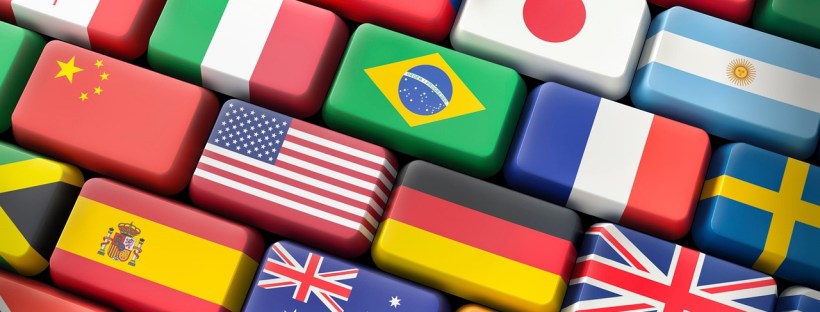
Have you ever met someone who effortlessly switches between five or more languages? Polyglots - people who speak multiple languages fluently - seem almost superhuman. But their secret isn’t magic; it’s a mix of strategy, mindset, and consistent practice. Here’s how they do it.

Mācīties vairākas valodas vienlaikus ir izaicinājums, kas dažus aizrauj, bet citus biedē. Tomēr, ja pieeja ir pareiza, šis process var būt gan efektīvs, gan patīkams. Bet cik valodas reāli var apgūt vienlaikus, nezaudējot motivāciju un neradot prātā haosu?

Italian’s natural elegance, vocal ease, and historical roots have made it the timeless voice of opera. Even today, its influence continues to shape how music is sung, taught, and understood around the world.

German is famous for its long, expressive compound words. While they may look intimidating at first, they’re actually one of the most fascinating aspects of the language. By combining smaller words into larger ones, German can capture complex ideas in a single term.

Vairāki zviedru uzņēmumi meklē sadarbības partnerus Baltijā, tai skaitā Latvijā, un zviedru valodas prasmes var būt izšķirošas darba iespēju ziņā. Zviedru uzņēmumi aktīvi darbojas Latvijā, tāpēc valodas zināšanas var būt priekšrocība arī vietējā darba tirgū – piemēram, klientu apkalpošanā, IT vai finansēs.

Angļu valodas izruna bieži ir viens no lielākajiem izaicinājumiem tiem, kas šo valodu mācās. Tomēr ar pareizām metodēm un regulāru treniņu jūs varat iegūt skaidru un dabisku izrunu. Šeit daži praktiski padomi, kas palīdzēs jums runāt angliski pārliecinošāk.

Latvia and Norway, both rich in traditions, offer unique festivals that provide perfect opportunities to immerse yourself in the language while experiencing local customs.

Studijas ārzemēs ir lieliska iespēja iegūt starptautisku izglītību un pieredzi, taču, lai mācības būtu veiksmīgas, ir svarīgi pārliecināties, ka tavs angļu valodas līmenis ir pietiekami augsts. Līdz ar to angļu valodas kursi pirms studiju sākšanas var būt izšķiroši.

Planning a trip to Latvia? Knowing a few basic Latvian phrases can enhance your experience and help you connect with locals. While many people in Riga speak English, venturing into smaller towns or rural areas may require some Latvian. Here are the most useful phrases to get you started.

This 30-day language challenge is designed for absolute beginners who want to build confidence quickly. Each day focuses on a small, achievable task that gradually builds your skills. Ready to dive in? Let’s go!
 Valodu kursi 🌍 Tulkošanas pakalpojumi