Bilingual brains—and particularly those of translators—do think differently. They constantly shift between structures, meanings, and cultural norms. It's not just about speaking two languages—it's about living in two (or more) worlds at once.


Bilingual brains—and particularly those of translators—do think differently. They constantly shift between structures, meanings, and cultural norms. It's not just about speaking two languages—it's about living in two (or more) worlds at once.

When people talk about learning a new language, you’ll often hear things like “Chinese is impossible!” or “You need to grow up with Russian to ever get it right.” But what really makes a language difficult to learn? Let’s break down the myths and look at the reality—with examples from various languages offered in many European language courses.

Time is something we all experience—but how we talk about it can vary drastically across languages. These differences shape not only how we speak, but also how we think, plan, and relate to the world. Here’s a quick look at how various languages express time—and why it’s more than just grammar.

The link between language and thought has fascinated philosophers, psychologists, and linguists for centuries. Does language shape the way we think, or is thought possible without words? This question opens the door to understanding the deeper relationship between our minds and the languages we speak.
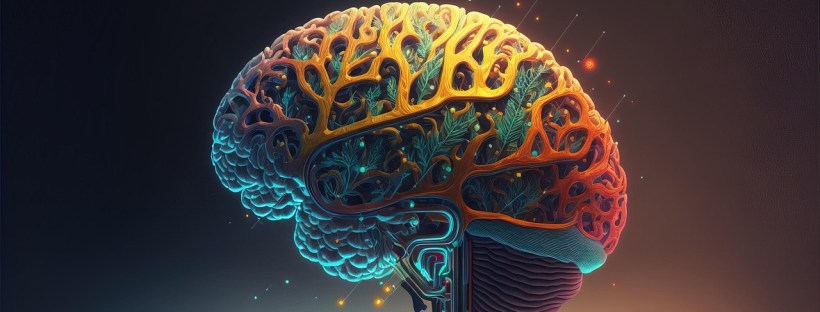
In today’s globalized world, being bilingual is often seen as a valuable skill. But beyond communication advantages, can speaking multiple languages actually make you smarter?

Everyone makes mistakes when learning a new language — and English learners are no exception. The good news? Most mistakes are very common and easy to fix once you know what to look for. In this article, we’ll explore some of the most frequent English errors and show you simple ways to avoid them.
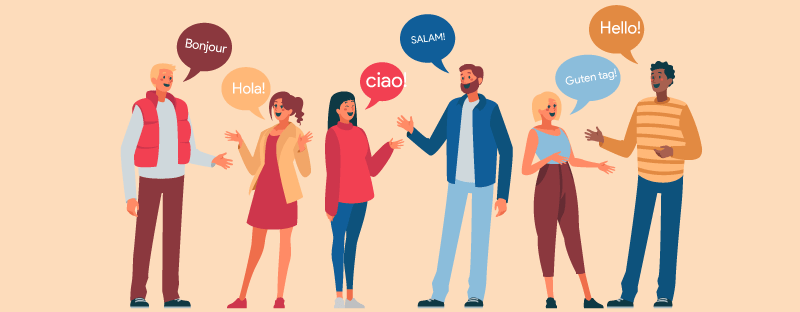
Have you ever felt awkward at the beginning of a conversation in English? Maybe you didn’t know what to say, or you were afraid of making a mistake. If so, you’re not alone — and that’s where the magic of small talk comes in.

Zināt savu svešvalodas līmeni ir ļoti svarīgi dažādu iemeslu dēļ, jo tas palīdz precīzāk saprast, kur tu atrodies savās valodu prasmēs un kā tālāk attīstīties. Kā arī, nepareizi izprotot šos simbolus, var nonākt neapskaužamā situācijā, novērtējot zināšanas nepareizi un tādējādi zaudējot pat kādas darba iespējas.

When planning a trip, it’s common to memorize a few key expressions—“Hello,” “Thank you,” “Where’s the bathroom?” While useful, these basics barely scratch the surface of what language can offer during travel.

Lieldienas ir pavasara svētki, kas daudzviet pasaulē tiek svinēti ar krāsainām olām, zaķiem, ģimenes maltītēm un dažādām tradīcijām. Bet vai zināji, ka daudzi Lieldienu simboli atšķiras no valsts uz valsti – gan kultūras, gan valodas ziņā?

Learning a new language is often seen as a way to expand horizons, travel more confidently, or improve career prospects. But what many people don’t realize is that learning a second language can also influence the way we use and understand our native language. This relationship is more dynamic than you might expect.

Sign language is a vital form of communication used by millions of people worldwide. Its history is long and diverse, reflecting the cultures and communities it serves. While many think of sign language as a modern invention, it has deep historical roots.

In a world that increasingly values innovation and adaptability, creativity has become one of the most important skills to cultivate. Interestingly, one of the less obvious ways to boost creativity is through multilingualism. While learning multiple languages is often associated with better communication and job prospects, research and real-world experience suggest it also plays a significant role in shaping a more creative mind.

Bieži dzirdēts uzskats ir, ka bērni valodas apgūst ātrāk un vieglāk nekā pieaugušie. Bet vai tas vienmēr atbilst patiesībai?

Writing systems are more than just tools for communication—they’re windows into culture, history, and human creativity. Across the globe, people have developed remarkably diverse scripts to record their languages.

Slang is a linguistic reflection of culture, technology, and society. It evolves alongside social trends, offering insight into global communication and identity. From youth culture to digital interactions, slang adapts to changing environments while uniting people through shared expressions.
 Valodu kursi 🌍 Tulkošanas pakalpojumi