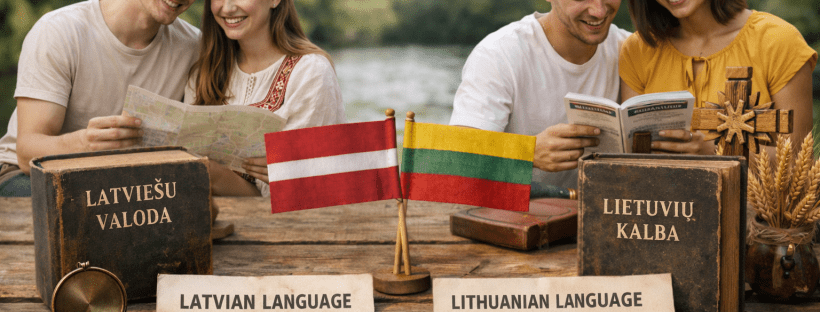
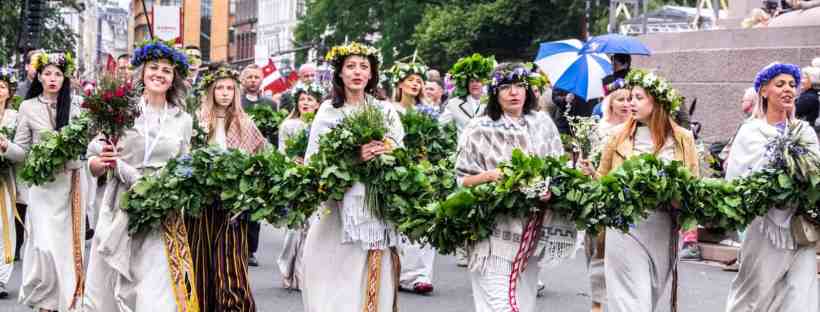
While Christmas Eve and Day get most of the attention, December 22nd and 23rd — the quiet nights before — holds its own magic across the globe. This date is a fascinating window into the diverse cultural and linguistic traditions that build anticipation for the holiday. Let’s explore how different cultures spend this day, and pick up some unique vocabulary along the way!
Kategorija: European History
December around the world: a month of many names
Whether it’s called the “tenth month” by ancient Roman habit, the “Yule Month” in the Nordic dark, or described by the frosty earth in Eastern Europe, December’s many names all point to a universal human experience: marking the end of a journey around the sun and the hopeful anticipation of a new beginning.
Why Latvia Glows: The Meaning Behind November 18th
For Latvians, this day is deeply personal. It’s not just about a historical event from over a century ago. It is a celebration of the country's resilience. Latvia's independence was violently interrupted by Soviet and Nazi occupations from 1940 to 1991. The celebration of November 18th was forbidden during the Soviet era, making its reinstatement after 1991 all the more powerful.
The Hidden Melody: What Makes the Latvian Language So Beautiful
Perhaps the most beautiful aspect of Latvian is its deep, poetic relationship with the natural world. Latvia is a country of vast forests, tranquil lakes, and a long coastline, and this is reflected directly in its vocabulary.
Remembering the Bearslayer: The Significance of Lāčplēsis Day in Latvia
Known in Latvian as Lāčplēša diena, this day, observed every year on November 11th, is far more than a historical date. It is a profound national celebration that intertwines ancient legend, modern military history, and a deep-seated love for freedom.