Phrasal verbs are a key part of everyday English. They consist of a verb and a preposition or adverb, creating a new meaning. Learning them can be tricky, but mastering a few common ones will make your English sound more natural. Here are some essential phrasal verbs and how to use them.
Kategorija: effective learning
Unlock the Secrets of Polyglots: Learn Languages Like a Pro
Have you ever met someone who effortlessly switches between five or more languages? Polyglots - people who speak multiple languages fluently - seem almost superhuman. But their secret isnāt magic; itās a mix of strategy, mindset, and consistent practice. Hereās how they do it.
KÄ efektÄ«vi mÄcÄ«ties vairÄkas valodas vienlaikus?
MÄcÄ«ties vairÄkas valodas vienlaikus ir izaicinÄjums, kas dažus aizrauj, bet citus biedÄ. TomÄr, ja pieeja ir pareiza, Å”is process var bÅ«t gan efektÄ«vs, gan patÄ«kams. Bet cik valodas reÄli var apgÅ«t vienlaikus, nezaudÄjot motivÄciju un neradot prÄtÄ haosu?
German Compound Words: Creating New Worlds in a Single Word
German is famous for its long, expressive compound words. While they may look intimidating at first, theyāre actually one of the most fascinating aspects of the language. By combining smaller words into larger ones, German can capture complex ideas in a single term.
EfektÄ«vi paÅÄmieni, kÄ uzlabot savu angļu valodas izrunu
Angļu valodas izruna bieži ir viens no lielÄkajiem izaicinÄjumiem tiem, kas Å”o valodu mÄcÄs. TomÄr ar pareizÄm metodÄm un regulÄru treniÅu jÅ«s varat iegÅ«t skaidru un dabisku izrunu. Å eit daži praktiski padomi, kas palÄ«dzÄs jums runÄt angliski pÄrliecinoÅ”Äk.
Engaging language learning: festivals in Latvia and Norway
Latvia and Norway, both rich in traditions, offer unique festivals that provide perfect opportunities to immerse yourself in the language while experiencing local customs.
30-Day Challenge for Language Beginners
ThisĀ 30-day language challengeĀ is designed for absolute beginners who want to build confidence quickly. Each day focuses on a small, achievable task that gradually builds your skills. Ready to dive in? Letās go!
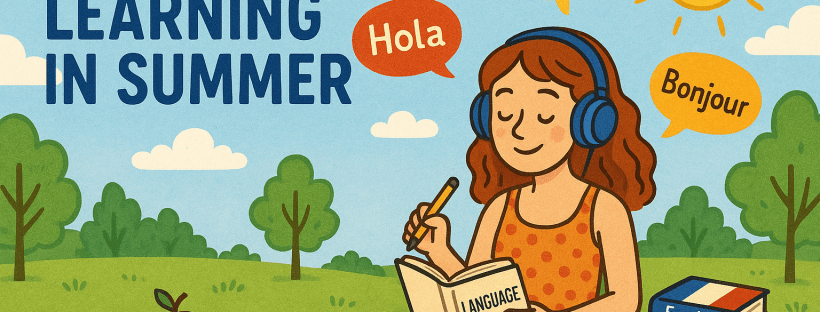
Vasara ā lielisks laiks, lai apgÅ«tu jaunu valodu
VasarÄ laikapstÄkļi ir labvÄlÄ«gi, lai mÄcÄ«tos ÄrÄ ā parkÄ, pie jÅ«ras vai dÄrzÄ. Mainot vidi, arÄ« mÄcÄ«bu process kļūst patÄ«kamÄks un efektÄ«vÄks. TurklÄt, ja mÄcÄties ar draugiem vai grupÄ, Å”Ädas neformÄlas tikÅ”anÄs padara valodas apguvi daudz jautrÄku un motivÄjoÅ”Äku.
When words fail: navigating love and friendship across languages
Love and friendship often rely on shared experiences, mutual understanding ā and yes, words. But what happens when language itself becomes the obstacle?
KÄ nepazaudÄt motivÄciju valodas apguves laikÄ
Valodas mÄcīŔanÄs sÄkumÄ viss Ŕķiet aizraujoÅ”i ā jauni vÄrdi, pirmÄs frÄzes, sajÅ«ta, ka atveras jauna pasaule. TaÄu pÄc kÄda laika motivÄcija var sÄkt noplakt: rodas nogurums, Ŕķiet, ka progress apstÄjas, un grÅ«ti atrast laiku. Å Ädos brīžos ir svarÄ«gi atcerÄties, ka Å”aubas ir jebkura mÄcÄ«bu procesa sastÄvdaļa. TÄlÄk piedÄvÄjam dažus efektÄ«vus veidus, kÄ uzturÄt motivÄciju dzÄ«vu.
Boost language skills: why repetition matters
Learning a new language is an exciting journey, but retaining that knowledge over time can be a real challenge. Many language learners find that after an initial period of progress, their skills begin to fade if not consistently used. This phenomenon is not unique to languagesāitās a natural part of how memory works. Regular repetition is key to keeping language knowledge fresh, functional, and ready for real-world use.
Valodu kursi ā tilts uz jaunÄm draudzÄ«bÄm
Valodu kursi bieži vien pulcÄ cilvÄkus ar starpkultÅ«ru interesÄm, ceļoÅ”anas pieredzi vai radoÅ”u domÄÅ”anu ā Ä«paŔībÄm, kas veido pamatu savstarpÄjai saskaÅai.
KÄpÄc mÄcÄ«ties sveÅ”valodu nekad nav par vÄlu?
Daudzi cilvÄki uzskata, ka sveÅ”valodu apguve ir tikai jaunu cilvÄku privilÄÄ£ija. Bet vai tieÅ”Äm? RealitÄte pierÄda pretÄjo ā valodas var apgÅ«t jebkurÄ vecumÄ, un tam ir daudz priekÅ”rocÄ«bu. Valodas apguve liek prÄtam nepagurt un ienes ikdienas dzÄ«vÄ jaunas vÄsmas.
Why Icelanders Resist New Words in Their Language?
Iceland is known not only for its stunning landscapes but also for its deep-rooted linguistic purism. While many countries adopt foreign words with easeāparticularly English terms in the digital ageāIceland stands apart in its effort to preserve its languageās purity. But why do Icelanders resist new words, and how does this compare with other languages?
Bilingual Brains: Do Translators Think Differently?
Bilingual brainsāand particularly those of translatorsādo think differently. They constantly shift between structures, meanings, and cultural norms. It's not just about speaking two languagesāit's about living in two (or more) worlds at once.
The Benefits of Learning Niche Languages
In a globalized world, major languages like English, Spanish, and Mandarin dominate communication. But thereās growing valueāprofessionally and personallyāin learning lesser-known or ānicheā languages. Whether you're studying Latvian, Icelandic, or Finnish, hereās why these languages are worth your time.