
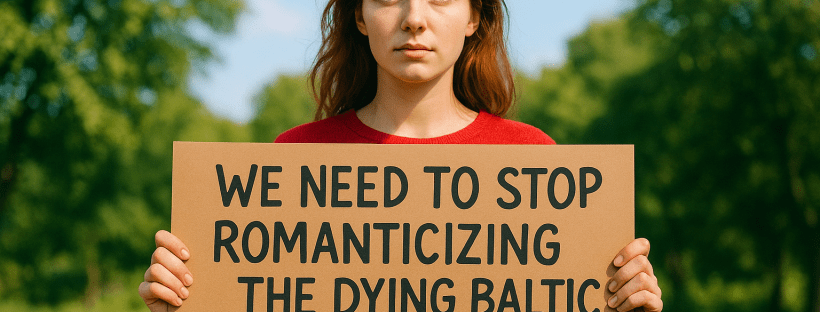
We’ve all heard the story. It’s a powerful, poignant narrative: the ancient Baltic languages, noble survivors of history, now teetering on the brink of extinction, threatened by globalization and English. It’s a story told with the best intentions, meant to spark concern and action. But what if this well-meaning narrative is actually holding us back?
The “dying language” trope, while dramatic, is dangerously disempowering. It frames Lithuanian and Latvian as fragile relics, museum pieces to be saved rather than living, breathing tools for modern life. This mindset creates a self-fulfilling prophecy of decline. If we constantly tell young people their native tongue is a burden of the past, why would they see it as the language of their future? It shifts the focus from vibrant use to anxious preservation, which can feel more like a chore than a choice.
This narrative also completely erases the incredible work happening right now. It ignores the vibrant, if smaller-scale, ecosystems of creators who are using these languages dynamically. They are not just saving them; they are living in them.
From cutting-edge Lithuanian tech blogs and fierce Latvian indie rock bands to viral TikTok comedians and acclaimed literary novelists, the languages are alive and kicking. They are being used to code, to debate, to create memes, and to fall in love. This isn’t the sound of a last breath; it’s the sound of a resilient, adapting heartbeat.
So, let’s change the conversation. Let’s stop talking about saving the Baltic languages and start talking about using them. Let’s champion the creators, invest in the digital tools, and demand modern content.
Let’s stop talking about saving Baltic languages and start talking about using them. What’s the coolest new thing you’ve seen created in Lithuanian or Latvian lately? Share a song, a podcast, or a startup in the comments.
Discover more from Valodu kursi 🌍 Tulkošanas pakalpojumi
Subscribe to get the latest posts sent to your email.


2 domas par “We need to stop romanticizing the “dying” Baltic languages”