
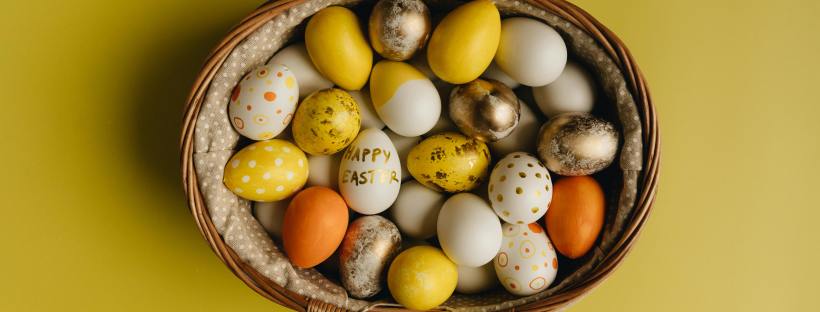
Easter isn’t just about bunnies and eggs—it also comes with its own colorful sayings, idioms, and proverbs. In many cultures, people use spring‑themed and religious expressions to talk about renewal, hope, and celebration. Let’s explore a few Easter‑related phrases from English and other languages, with simple explanations and examples you can reuse in your writing.
English Easter and spring idioms
In English, “spring awakening” often stands for the moment nature comes back to life after winter. A similar idea appears in the phrase “a new lease on life,” used when someone starts fresh or feels reborn.
Example: After her long illness, she felt like she had a new lease on life this Easter.
Another common expression is “it’s like Easter all over again,” meaning something feels joyfully fresh or surprising, as if all the colors and happiness of Easter have returned.
Italian and Spanish spring proverbs
In Italian, one popular spring saying is “È primavera, è rinascita.” (“It is spring, it is rebirth.”) This proverb links the season directly to personal renewal, just like Easter’s themes of resurrection.
Example: She took a new job and said, “È primavera, è rinascita!” to describe her fresh start.
In Spanish, people sometimes say “La primavera lo cura todo.” (“Spring cures everything.”) It’s a playful way to say that the arrival of spring (and Easter) brings hope and healing.
Example: He was sad last month, but now he laughs and says, “La primavera lo cura todo.”
French and German expressions
French speakers may use “renaître de ses cendres” (“to rise from one’s ashes”), inspired by the phoenix myth, to describe someone overcoming hardship, much like Easter’s resurrection theme.
Example: After her failed business, she opened a new café and truly renaît de ses cendres.
In German, “ein neues Kapitel beginnen” (“to begin a new chapter”) fits Easter’s spirit of starting over.
Example: At Easter, he decided to move to a new city and begin a new chapter.
How to use these in writing
Pick one idiom that matches your message and place it in a simple context: after a description of a change or a new beginning. Encourage readers to practice by rewriting their own Easter or spring story using one of these phrases.
Discover more from Valodu kursi 🌍 Tulkošanas pakalpojumi
Subscribe to get the latest posts sent to your email.

 Valodu kursi 🌍 Tulkošanas pakalpojumi