Europe is a linguistic powerhouse. In an area smaller than the continent of Australia, you can find over 200 unique languages, creating a vibrant tapestry of sounds, histories, and cultures. We all know about the romantic lilt of Italian or the precise grammar of German, but the world of European languages is filled with quirky, surprising, and fascinating secrets.
MÄnesis: 2025. gada oktobris
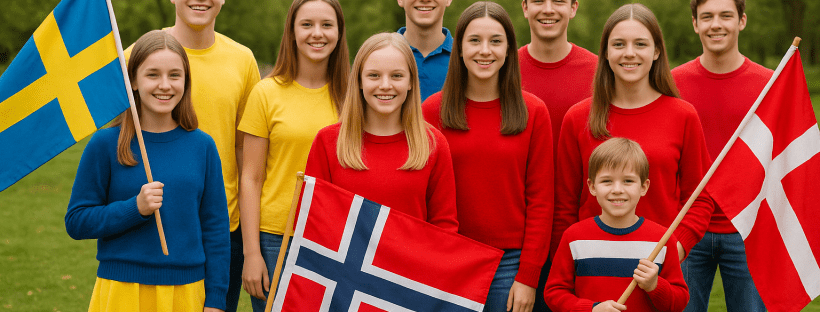
Siblings or Cousins? The Surprising Relationship Between Scandinavian Languages
Danish, Norwegian, and Swedish are undoubtedly siblingsāsometimes squabbling, but deeply connected. Their relationship is a living history lesson, showing how politics, geography, and culture shape the way we speak. Choosing to learn one isn't just learning a single language; it's buying a ticket to a fascinating and interconnected linguistic world.
Career Hack: How Knowing a Nordic or Baltic Language Can Open Doors
While the job market is global, many of the most interesting roles in these countriesāespecially at mid-sized, locally-focused companies or within the public sectorāare advertised primarily in the native language. Your ability to navigate these listings immediately removes 90% of your international competition.
Is Latvian a difficult language to learn?
Is Latvian hard to learn? Discover what makes Latvian unique, its grammar, pronunciation, and vocabulary, and see how it compares in difficulty to other languages.
Oktobra nosaukumi visÄ pasaulÄ: kÄ dažÄdÄs kultÅ«rÄs dÄvÄ Å”o mÄnesi
IgauÅu valodÄ oktobris irĀ "Oktoober", bet arÄ« dÄvÄts parĀ "Viinakuu"Ā ("vÄ«na mÄnesis"), kas, iespÄjams, saistÄ«ts ar vÄ«nogu ražas novÄkÅ”anu vai sidra ražoÅ”anu.
Coffee Culture Clash: how Riga, Warsaw, and Helsinki fuel their days
In Riga, a coffee break is a legitimate appointment with relaxation or deep conversation. ItāsĀ 'dziļa elpa'āa "deep breath" in the middle of a busy day, a moment of quiet elegance that reflects the city's historical charm and artistic soul.