
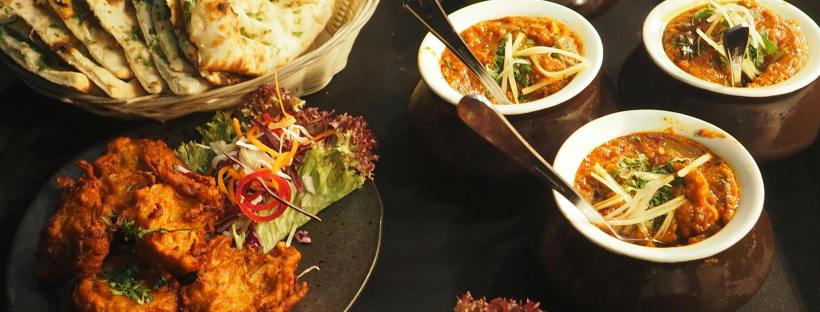
Food is more than just sustenance—it’s a language of its own. Every dish, ingredient, and cooking technique carries a piece of history, tradition, and cultural identity. Often, the words we use to describe food reveal deeper stories about a people’s way of life, values, and even humor.
1. Untranslatable food words
Some cultures have words for food experiences that don’t exist elsewhere:
- “Merienda” (Spanish) – a light afternoon snack, often social, showing the importance of small breaks and community.
- “Kuchisabishii” (Japanese) – the feeling of eating because your mouth is lonely (not because you’re hungry).
- “Lagom” (Swedish, in food context) – not too much, not too little—just the right amount, reflecting Swedish balance in life.
These words don’t just describe food; they reveal cultural attitudes toward eating and togetherness.
2. Ingredients as cultural symbols
Certain ingredients are so tied to a culture that their names evoke national identity:
- “Kimchi” (Korean) – more than just fermented cabbage; it’s a symbol of resilience, tradition, and Korean pride.
- “Paneer” (Hindi) – a staple in Indian cuisine, representing vegetarian adaptability in a meat-heavy world.
- “Borscht” (Russian/Ukrainian) – a soup that sparks debates over origin, showing how food connects to heritage and politics.
3. The stories behind cooking terms
Even cooking methods tell tales:
- “Barbacoa” (Spanish → “Barbecue”) – originated with Indigenous Caribbean slow-cooking techniques, later adapted globally.
- “Tandoor” (Hindi/Urdu) – a clay oven representing centuries of South Asian culinary craftsmanship.
- “Sous-vide” (French) – a modern precision technique, reflecting France’s influence on haute cuisine.
4. Food idioms and sayings
Many languages use food metaphors to express emotions:
- “Spill the beans” (English) – accidentally revealing a secret.
- “Avoir la pêche” (French, “to have the peach”) – feeling energetic and happy.
- “Estar como un flan” (Spanish, “to be like a flan”) – being nervous or wobbly.
Why does this matter?
Learning culinary terms isn’t just useful for ordering food—it’s a gateway to understanding traditions, humor, and daily life in other cultures. At Baltic Media, we believe language and food are the best ways to connect with the world.
Discover more from Valodu kursi 🌍 Tulkošanas pakalpojumi
Subscribe to get the latest posts sent to your email.

 Valodu kursi 🌍 Tulkošanas pakalpojumi
2 domas par “Food, language, and culture: how culinary terms tell stories”